

Sierra 1500: Why Is My Windshield Tint Showing Small Pits?
If you recently noticed small pits, dots, or tiny imperfections appearing in the windshield tint on your GMC Sierra 1500, you are likely trying to determine whether the issue is coming from the tint film itself, the windshield surface, or external conditions affecting visibility. These small pits can sometimes become more noticeable in direct sunlight, […]
If you recently noticed small pits, dots, or tiny imperfections appearing in the windshield tint on your GMC Sierra 1500, you are likely trying to determine whether the issue is coming from the tint film itself, the windshield surface, or external conditions affecting visibility.
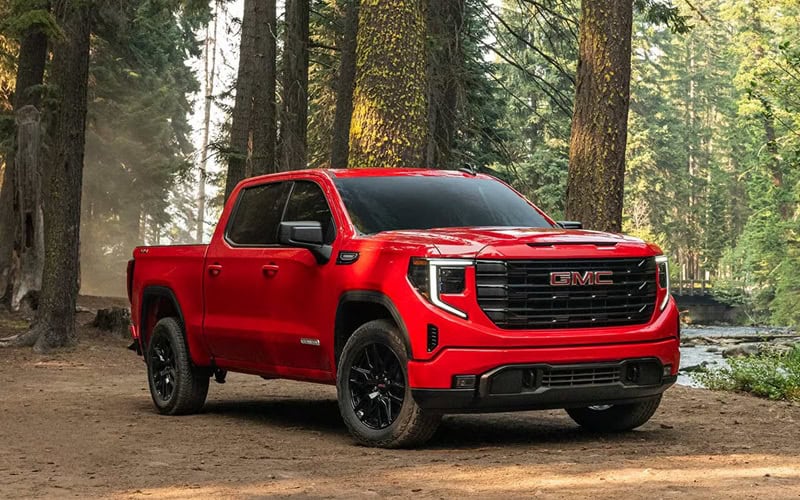
These small pits can sometimes become more noticeable in direct sunlight, at night under streetlights, or when looking through the windshield at certain angles. In many cases, the tint installation is not necessarily failing. Instead, the appearance may be related to the windshield glass, trapped contaminants, surface impacts, or the way light interacts with the tint film.
What the “Small Pits” Usually Look Like
Drivers describe the issue in several ways, including:
- Tiny dots visible through the tint
- Small crater-like marks
- Speckled reflections in sunlight
- Pinpoint distortions in the film
- Tiny bubbles that do not spread
- Surface imperfections visible only at certain angles
The appearance can vary depending on:
- windshield angle
- lighting conditions
- tint darkness
- type of film installed
- age of the windshield
In many cases, the pits are easier to see from inside the truck looking outward rather than from the exterior.
The Tint Film May Be Highlighting Existing Windshield Imperfections
One important thing to understand is that windshield tint can make very small glass imperfections easier to notice.
The Sierra 1500 windshield is exposed to:
- road debris
- sand
- salt
- dust
- small stone impacts
- winter driving conditions in Canada
Over time, microscopic chips and pitting can develop in the outer glass surface. Without tint, these marks may be difficult to notice. After tint installation, light refraction and glare reduction can make those imperfections stand out more clearly.
This is especially noticeable:
- during sunrise or sunset
- under LED streetlights
- in rainy conditions
- with polarized sunglasses
In those situations, the tint is not necessarily causing the pits. It may simply be making pre-existing windshield wear more visible.
Contaminants Trapped During Tint Installation
Another possible explanation is contamination trapped between the windshield and the tint film during installation.
Small particles such as:
- dust
- lint
- tiny fibres
- airborne debris
- dried residue
can create raised points or tiny distortions once the film cures.
These imperfections may look like pits or small bubbles but do not always indicate peeling or adhesive failure. Because the Sierra 1500 windshield is large and steeply angled, windshield tint installation requires careful preparation and cleaning. Even very small particles can become visible afterward, particularly on lighter or highly reflective films.
Moisture Pockets During the Curing Process
After windshield tint is installed, the film usually goes through a curing period.
Depending on:
- temperature
- humidity
- sunlight exposure
- film type
small moisture pockets can temporarily appear beneath the tint.
These can resemble:
- tiny pits
- water spots
- cloudy dots
- pin-sized bubbles
In many cases, these marks reduce or disappear as the film fully cures. In colder Canadian climates, curing may take longer than expected, especially during winter or in damp weather.
Tiny Rock Impacts on the Exterior Glass
The Sierra 1500 is frequently driven on highways, gravel roads, construction routes, and winter-treated roads where fine debris can contact the windshield.
Very small rock impacts may create:
- micro-chips
- shallow surface pits
- tiny craters in the outer layer of glass
These impacts may not manifest as visible cracks, but they can become more apparent after tint installation because the film changes how light passes through the windshield. Running a fingertip gently across the exterior windshield surface may help determine whether the pits are in the glass itself rather than in the tint layer.
Some Optical Distortion Can Be Normal
Large windshield tint applications can sometimes show slight optical distortion depending on:
- film thickness
- windshield curvature
- viewing angle
- light conditions
This may create a speckled or textured appearance under certain lighting.
The effect is often more noticeable:
- at night
- under parking lot lights
- when looking at reflections
- while wearing polarized lenses
Minor visual texture does not always indicate damage or poor installation.
What to Check First
If your Sierra 1500 windshield tint shows small pits, a few simple checks can help identify the source.
1. Inspect the Windshield From the Outside
Look closely at the exterior glass in daylight.
If the pits are visible from outside the truck, they may be:
- glass pitting
- micro rock impacts
- surface wear
If they only appear from inside the cabin, the issue may be related more directly to the tint layer or lighting refraction.
2. Check Whether the Marks Change Over Time
If the tint was installed recently, monitor the appearance for several days.
Moisture-related imperfections during curing may gradually improve as the film settles.
If the pits remain identical after curing is complete, the source may be:
- trapped contaminants
- windshield surface wear
- permanent optical distortion
3. Look at the Windshield Under Different Lighting Conditions
Some imperfections are only visible:
- in direct sunlight
- at night
- under LEDs
- during rain
Testing the windshield in multiple lighting conditions can help determine whether the issue is physical surface damage or simply a visibility effect caused by reflection and tint contrast.
4. Confirm Whether the Tint Is on the Inside Surface
Windshield tint film is installed on the inside surface of the glass. If a pit can be physically felt from the exterior, it is likely in the windshield itself rather than in the tint material.
What Is Usually Considered Normal?
For a tinted Sierra 1500 windshield, these situations may be considered normal:
- slight optical texture under bright lighting
- temporary moisture spots after installation
- visibility of existing micro-pitting in older windshields
- tiny isolated contamination points that do not spread
However, further inspection may be worthwhile if you notice:
- peeling film edges
- expanding bubbles
- distortion affecting visibility
- large clusters of defects
- haze developing across the windshield
Those conditions may indicate an installation or material issue rather than normal light refraction.
Can the Pits Be Removed?
The answer depends on the source.
If the issue is:
- trapped contamination → tint replacement may be required
- moisture during curing → it may improve naturally
- glass pitting → windshield polishing may have limited effect
- rock impacts → the windshield itself may need attention
- optical distortion → film replacement may reduce the effect
A tint installer can usually determine whether the marks are in the film or in the glass itself.
Keep Your Sierra 1500 in the Best Shape
If your Sierra 1500 windshield tint shows small pits, the issue may not be caused by the tint film alone. In many cases, the tint simply makes existing windshield imperfections, tiny impacts, or light distortion easier to see.
Checking the windshield under different lighting conditions, allowing time for the tint to cure, and inspecting whether the marks are on the glass or within the film can help clarify what you are seeing. If visibility remains affected after the curing period, a tint installer can inspect the windshield more closely to determine whether the issue comes from the film, the installation process, or the glass surface itself.
Disclaimer: Content contained in this post is for informational purposes only and may include features and options from US or internacional models. Please contact the dealership for more information or to confirm vehicle, feature availability.