2026 GMC Sierra 1500: How Does the Drive Train Work?
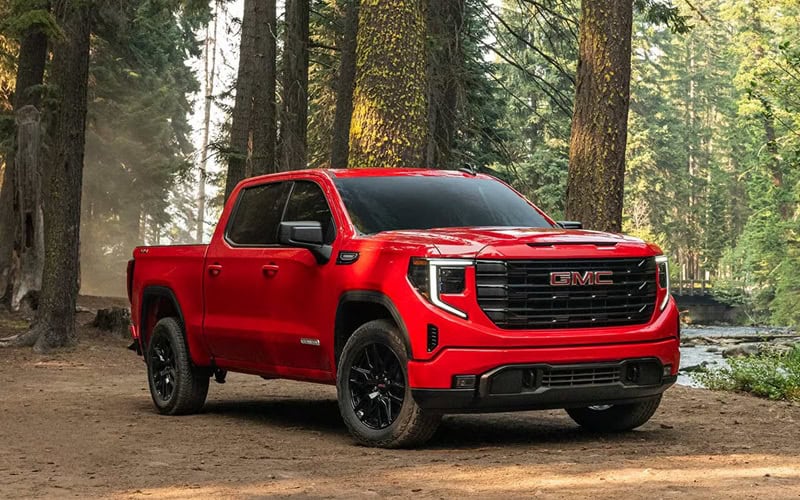
The drivetrain of a full-size pickup truck plays a central role in defining its capability, durability, and overall driving behaviour. In the GMC Sierra 1500, the drivetrain can handle a wide range of tasks, from everyday driving to towing and hauling, while maintaining stability and efficiency. Unlike smaller vehicles, a pickup truck drivetrain must manage […]
The drivetrain of a full-size pickup truck plays a central role in defining its capability, durability, and overall driving behaviour. In the GMC Sierra 1500, the drivetrain can handle a wide range of tasks, from everyday driving to towing and hauling, while maintaining stability and efficiency. Unlike smaller vehicles, a pickup truck drivetrain must manage higher torque loads and operate reliably under demanding conditions.
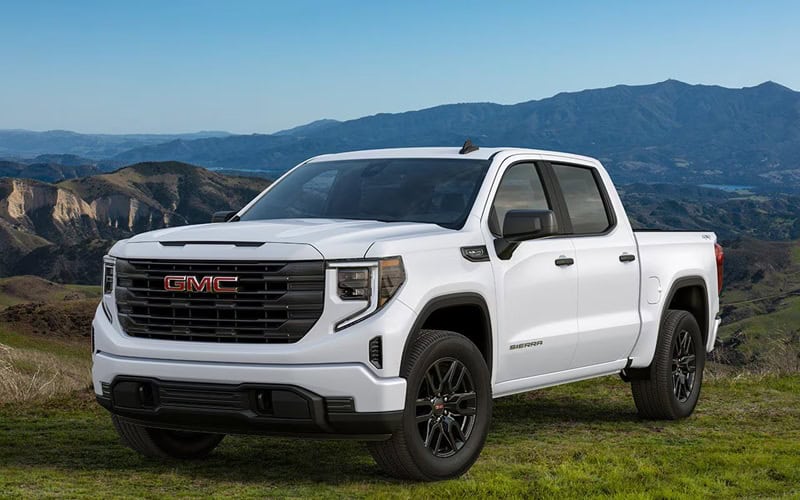
The Sierra 1500 achieves this through a combination of powerful engines, advanced transmission systems, and adaptable drive configurations. Each component—from the engine to the differential—works in coordination, ensuring that power is transferred efficiently to the wheels. Understanding how this system operates provides insight into how the vehicle delivers both strength and control.
Core Drivetrain Architecture
The drivetrain in the Sierra 1500 is longitudinal, meaning the engine is mounted front-to-back, with power sent to the rear wheels or all four wheels, depending on the configuration.
Main Components
- Engine (power generation)
- Transmission (gear and torque management)
- Transfer case (in four-wheel drive models)
- Driveshaft (power transfer)
- Differential (torque distribution)
- Axles (final delivery to wheels)
These components form a continuous mechanical chain that converts engine output into motion.
Engine as the Power Source
The drivetrain begins with the engine, which produces rotational energy through combustion.
Combustion and Power Generation
Fuel and air are combined in the cylinders and ignited, pushing pistons downward. This motion turns the crankshaft, creating rotational force.
Torque Production
Pickup truck engines produce high torque, especially at low engine speeds.
Importance of Torque
- Essential for towing heavy loads
- Provides strong acceleration under load
- Supports off-road capability
This torque is transmitted directly to the drivetrain.
Transmission System
The Sierra 1500 uses an automatic transmission to manage engine power delivery.
Automatic Transmission Function
The transmission adjusts gear ratios to balance power and efficiency.
Key Roles
- Amplifies torque in lower gears
- Reduces engine speed in higher gears
- Maintains optimal performance under load
Gear Ratio Dynamics
Lower gears provide higher torque multiplication, which is critical for:
- Starting from a stop
- Climbing steep inclines
- Towing
Higher gears allow for efficient cruising at steady speeds.
Torque Converter
The transmission includes a torque converter that connects the engine to the transmission.
Function
- Transfers power through fluid coupling
- Allows the engine to idle without stalling
- Multiplies torque during acceleration
Transfer Case (Four-Wheel Drive Models)
In four-wheel drive configurations, the transfer case is a key component.
Purpose
- Distributes power between front and rear axles
- Allows selection of different drive modes
Drive Modes
- Two-wheel drive (rear wheels only)
- Four-wheel drive high range
- Four-wheel drive low range
Low-Range Function
Low-range gearing increases torque at the wheels while reducing speed.
Applications
- Off-road driving
- Heavy towing at low speeds
- Navigating steep terrain
Driveshaft System
The driveshaft transfers rotational energy from the transmission or transfer case to the differentials.
Design Characteristics
- High-strength construction
- Balanced to minimize vibration
- Equipped with universal joints
Function
It allows power to be transmitted even as the suspension moves, maintaining a consistent connection between components.
Differential Operation
Differentials are essential for distributing torque to the wheels.
Rear Differential
- Standard in all configurations
- Splits torque between left and right rear wheels
Front Differential (4WD Models)
- Engaged when four-wheel drive is activated
- Distributes torque to front wheels
Limited-Slip and Locking Features
Some configurations include advanced differentials.
Benefits
- Improved traction on uneven surfaces
- Reduced wheel spin
- Enhanced off-road capability
Rear-Wheel Drive Configuration
The standard drivetrain layout is rear-wheel drive (RWD).
How RWD Works
- Engine power is sent to the rear wheels
- Front wheels are dedicated to steering
Advantages
- Better weight distribution
- Improved towing stability
- Reduced mechanical complexity compared to 4WD
RWD is well-suited for highway driving and light-duty tasks.
Four-Wheel Drive System
The Sierra 1500 offers a four-wheel drive (4WD) system for enhanced capability.
System Function
- Sends power to both front and rear wheels
- Improves traction on loose or slippery surfaces
Driver Control
You can engage the system manually or electronically, depending on configuration.
Benefits
- Increased off-road capability
- Better performance in adverse weather
- Enhanced control under heavy loads
Electronic Control Systems
Modern drivetrain operation relies heavily on electronic systems.
Engine Control Unit (ECU)
- Regulates engine output
- Adjusts fuel and ignition timing
Transmission Control Module (TCM)
- Determines gear shifts
- Optimizes shift timing based on load
Four-Wheel Drive Control Module
- Manages torque distribution
- Coordinates engagement of front axle
These systems communicate continuously to ensure smooth operation.
Traction and Stability Integration
The drivetrain works closely with safety and stability systems.
Traction Control System (TCS)
- Detects wheel slip
- Adjusts engine power or braking
Electronic Stability Control (ESC)
- Maintains directional stability
- Applies braking to individual wheels
These systems enhance control by managing how torque is applied.
Torque Flow Through the System
Understanding torque flow helps clarify drivetrain operation.
Step-by-Step Process
- Engine generates rotational force
- Transmission adjusts torque and speed
- Transfer case distributes power (in 4WD models)
- Driveshaft transfers power to differentials
- Differentials distribute torque to wheels
- Wheels convert torque into motion
Each stage modifies the power to suit driving conditions.
Load Handling and Durability
The drivetrain is designed to handle significant loads.
Structural Strength
- Reinforced components
- Heavy-duty materials
Cooling Systems
- Transmission cooling
- Differential lubrication
These features ensure reliability under demanding conditions.
Efficiency Considerations
Despite its capability, the drivetrain is engineered for efficiency.
Strategies
- Optimized gear ratios
- Electronic torque management
- Reduced friction components
These improvements help balance performance with fuel consumption.
Maintenance Requirements
Proper maintenance is essential for drivetrain longevity.
Key Areas
- Transmission fluid condition
- Differential lubrication
- Driveshaft joints
Preventive Care
Regular inspections help prevent wear-related issues and maintain performance.
Driving Experience
The drivetrain defines how the Sierra 1500 behaves in real-world conditions.
Characteristics
- Strong and consistent power delivery
- Stable handling under load
- Adaptability across terrains
Versatility
The ability to switch between drive modes allows the vehicle to perform effectively in different environments, from paved roads to off-road conditions.
2026 GMC Sierra FAQ Section
What type of drivetrain does the 2026 GMC Sierra 1500 use?
- It uses a drivetrain consisting of an engine, automatic transmission, driveshaft, and either rear-wheel drive or four-wheel drive.
How does four-wheel drive improve performance?
- Four-wheel drive distributes power to both front and rear wheels, improving traction and stability on challenging surfaces.
What is the role of the transfer case?
- The transfer case distributes power between the front and rear axles and allows selection of different drive modes.
Why is torque important in a pickup truck?
- Torque provides the force needed for towing, hauling, and accelerating under load.
Does the drivetrain require regular maintenance?
- Yes, components such as the transmission, differentials, and driveshaft require regular inspection and maintenance to ensure proper operation.
Disclaimer: Content contained in this post is for informational purposes only and may include features and options from US or internacional models. Please contact the dealership for more information or to confirm vehicle, feature availability.