2026 Sierra 1500 Engines: How Much Oil Does This Truck Need?
The GMC Sierra 1500 continues to offer multiple engine options, each with specific oil capacity requirements that ensure proper lubrication and optimal performance. Understanding the correct oil capacity for your specific engine helps you properly maintain your truck, whether you perform oil changes yourself or work with a service center. The Sierra 1500 lineup features […]
The GMC Sierra 1500 continues to offer multiple engine options, each with specific oil capacity requirements that ensure proper lubrication and optimal performance. Understanding the correct oil capacity for your specific engine helps you properly maintain your truck, whether you perform oil changes yourself or work with a service center. The Sierra 1500 lineup features three distinct powertrains, each requiring different amounts of oil to operate at peak efficiency.
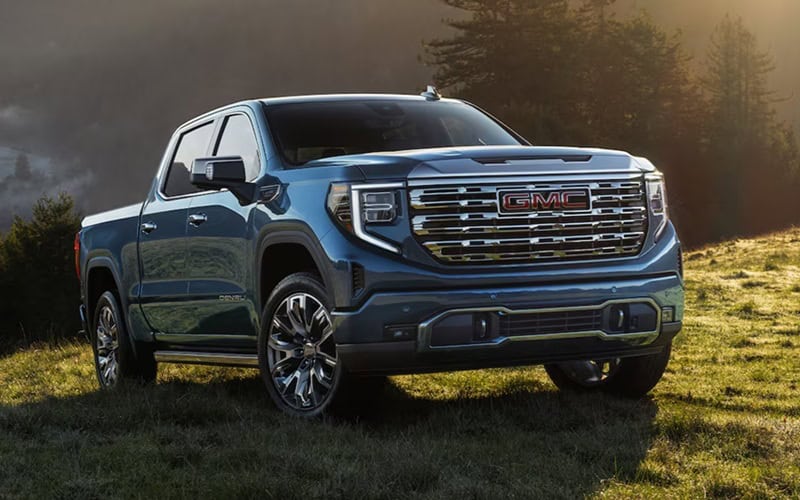
Oil Capacity by Engine Type
The Sierra 1500 provides three engine choices, each engineered for different performance priorities and each requiring a specific oil capacity for proper operation.
2.7-Litre Turbo Engine Oil Capacity
The 2.7-litre turbocharged four-cylinder engine requires approximately 6 quarts (5.7 litres) of oil with filter change. This efficient powerplant delivers 310 horsepower and 430 lb-ft of torque while maintaining impressive fuel economy ratings. The turbo engine’s oil capacity reflects its compact design while providing sufficient lubrication for the turbocharger and all internal components.
This engine comes standard on Pro, SLE, and Elevation trims, making it the most common powerplant in the Sierra 1500 lineup. The 6-quart oil capacity keeps the engine properly lubricated during all operating conditions, from daily commuting to towing applications within the engine’s capability range.
5.3-Litre V8 Engine Oil Capacity
The 5.3-litre V8 engine requires 8 quarts (7.6 litres) of oil with filter change. This proven workhorse engine pairs with a 10-speed automatic transmission and delivers traditional V8 performance characteristics. The larger displacement and additional cylinders require more oil to ensure all moving parts receive adequate lubrication.
Available across multiple trim levels and standard on SLT models, the 5.3-litre V8 provides balanced performance for drivers who prefer naturally aspirated V8 power. The 8-quart capacity maintains proper oil pressure throughout the engine’s operating range, protecting components during both light-duty and heavy-load operation.
6.2-Litre V8 Engine Oil Capacity
The 6.2-litre V8 engine also requires 8 quarts (7.6 litres) of oil with filter change. Despite its larger displacement compared to the 5.3-litre V8, both engines share the same oil capacity due to similar internal architecture and design. This premium gasoline engine delivers maximum power output in the Sierra 1500 range, making it ideal for demanding towing and hauling applications.
Standard on Denali models and available on AT4 and SLT trims, the 6.2-litre V8 represents the peak of GMC gasoline engine performance. The 8-quart oil capacity ensures this high-performance engine maintains proper lubrication even under sustained heavy loads or spirited driving conditions.
Recommended Oil Type and Specifications
All GMC Sierra 1500 engines require dexos1™-approved full synthetic motor oil for optimal performance and protection. GMC specifically engineers its powertrains to work with dexos1™-approved oils, which meet stringent requirements for viscosity, oxidation resistance, and wear protection.
Viscosity Grade Requirements
The recommended oil viscosity for all three Sierra 1500 engines is SAE 5W-30 full synthetic oil. This viscosity grade provides ideal flow characteristics during cold starts while maintaining proper thickness at operating temperature. The 5W-30 specification ensures:
- Quick oil circulation during cold weather starts
- Proper lubrication film thickness at normal operating temperatures
- Optimal fuel efficiency through reduced internal friction
- Year-round protection across various climate conditions
Using the correct viscosity grade maintains factory warranty coverage and ensures your engine receives the protection GMC engineers intended.
Why dexos1™ Matters
The dexos1™ specification represents GM’s proprietary oil standard that exceeds industry requirements. Oils meeting this specification undergo rigorous testing to verify performance in areas critical to modern engine operation:
- Enhanced wear protection: Minimizes metal-to-metal contact during all operating conditions
- Improved fuel economy: Reduces internal friction for better efficiency
- Extended oil life: Maintains protective properties between recommended service intervals
- Reduced emissions: Helps maintain proper operation of emission control systems
- Turbocharger protection: Provides thermal stability for turbocharged engines
Always verify that replacement oil displays the dexos1™ certification mark on the container. Using non-approved oils may reduce engine protection and could affect warranty coverage.
Oil Change Intervals and Service Schedule
The Sierra 1500 benefits from extended oil change intervals thanks to full synthetic oil requirements. Understanding when to change your oil helps maintain engine health and optimal performance.
Standard Service Interval
GMC recommends oil changes every 12,000 kilometres or 12 months, whichever comes first, when using dexos1™-approved full synthetic oil. This interval applies to normal driving conditions, which include:
- Majority of trips longer than 10 kilometres
- Limited idling time
- Operation in moderate temperature ranges
- Regular highway driving
The vehicle’s Oil Life Monitoring System tracks various operating parameters and provides notification when oil change service is due. This intelligent system considers factors like engine temperature, speed, load, and driving patterns to determine optimal service timing.
Severe Service Conditions
More frequent oil changes may be necessary under severe service conditions, which GMC defines as:
- Frequent short trips under 10 kilometres
- Extensive idling or low-speed operation
- Regular towing or heavy payload hauling
- Driving in dusty or off-road conditions
- Operating in extreme hot or cold temperatures
Under severe conditions, consider changing oil at approximately 8,000 kilometres or based on Oil Life Monitoring System recommendations. Consult your owner’s manual for specific guidance on severe service intervals.
How to Check Oil Level Properly
Maintaining the correct oil level between changes ensures your engine stays properly protected. Regular oil level checks take just moments and help catch potential issues early.
Step-by-Step Oil Level Check
Follow these steps to accurately check your Sierra 1500 oil level:
- Park on level ground: Ensure the truck sits on a flat surface for an accurate reading
- Warm the engine: Run the engine to normal operating temperature, then shut it off
- Wait five minutes: Allow oil to drain back into the oil pan
- Remove the dipstick: Pull out the dipstick, wipe it clean with a lint-free cloth
- Reinsert and remove: Fully insert the dipstick, then remove it again
- Read the level: Check where oil appears on the dipstick markings
The oil level should register between the minimum and maximum marks on the dipstick. If the level falls below the minimum mark, add oil in small increments until it reaches the proper range.
What the Oil Level Tells You
Regular oil level monitoring provides insight into your engine’s condition:
- Consistently at maximum: Normal condition, no action needed
- Between marks: Acceptable level, monitor during next check
- At minimum: Add oil to bring level to maximum mark
- Below minimum: Add oil immediately to prevent potential damage
- Decreasing rapidly: May indicate excessive consumption or leak requiring service attention
Never overfill the engine beyond the maximum mark, as excess oil can cause foaming and reduced lubrication effectiveness.
Oil Filter Specifications
The oil filter plays a crucial role in keeping your Sierra 1500 oil clean and effective. Each oil change should include filter replacement to ensure optimal filtration performance.
OEM vs. Aftermarket Filters
GMC recommends using ACDelco oil filters specifically designed for your engine. These filters meet exact specifications for:
- Flow rate capacity
- Filtration efficiency
- Internal bypass pressure
- Physical dimensions
- Thread specifications
While quality aftermarket filters may provide adequate performance, OEM filters guarantee compatibility and meet the exact GMC requirements. Using ACDelco filters maintains consistency with factory specifications and ensures proper fit and function.
Filter Location and Access
Oil filter location varies slightly by engine:
- 2.7L Turbo: Accessed from underneath the vehicle
- 5.3L V8: Located on the driver’s side of engine block
- 6.2L V8: Positioned on driver’s side of engine block
Some configurations may include a top-mounted cartridge-style filter for easier access. Consult your owner’s manual for the exact location and filter type for your specific engine configuration.
Oil Disposal and Environmental Responsibility
Proper disposal of used engine oil protects the environment and complies with local regulations. Never pour used oil down drains, on the ground, or into storm sewers.
Proper Disposal Methods
Used oil contains contaminants and heavy metals that can harm the environment. Follow these disposal practices:
- Collect used oil in a clean, sealed container
- Transport to an authorized collection facility
- Many auto parts stores accept used oil for recycling
- Some service centers provide used oil collection
- Municipal recycling centers often accept used motor oil
Used oil can be refined and reused as lubricating oil or processed into other petroleum products. Proper disposal ensures this valuable resource gets recycled rather than causing environmental damage.
DIY Oil Change Considerations
Performing your own oil changes saves money and helps you stay connected with your truck’s maintenance needs. Understanding the process ensures proper service.
Tools and Supplies Needed
Gather these items before beginning an oil change:
- Correct amount of dexos1™-approved 5W-30 synthetic oil
- Appropriate ACDelco oil filter for your engine
- Oil drain pan with capacity exceeding engine oil capacity
- Properly sized socket or wrench for drain plug
- Oil filter wrench (if needed)
- Funnel for adding fresh oil
- Shop towels or rags
- Jack and jack stands for safe vehicle access
Having all supplies ready before starting prevents interruptions and ensures you complete the service properly.
Safety Precautions
Follow these safety guidelines when changing oil:
- Allow engine to cool sufficiently to handle components safely
- Use proper jack stands—never rely solely on hydraulic jacks
- Wear safety glasses to protect eyes from dripping oil
- Work in a well-ventilated area
- Keep rags and absorbent materials available for spills
- Dispose of used oil and filters properly
Hot oil can cause severe burns. Exercise caution when draining oil from a warm engine.
Professional Service Benefits
While DIY oil changes offer cost savings, professional service provides several advantages worth considering.
What Professional Service Includes
GMC-certified technicians provide comprehensive oil change service:
- Complete oil drain and refill with correct capacity
- New oil filter installation
- Multi-point inspection of fluid levels
- Visual inspection of belts and hoses
- Tire pressure check and adjustment
- Battery test
- Brake system visual inspection
- Oil life monitor reset
Professional service ensures all aspects of routine maintenance receive attention, potentially catching developing issues before they become serious problems.
Warranty Considerations
Maintaining service records proves you followed manufacturer maintenance requirements, which protects warranty coverage. Professional service provides:
- Documented proof of service
- Date and mileage records
- Parts and materials documentation
- Technician certification verification
These records become valuable if warranty claims arise related to maintenance-dependent components.
Oil Capacity Quick Reference
For easy reference, here are the oil capacities for all Sierra 1500 engines:
2.7L Turbo Engine
- Oil Capacity: 6 quarts (5.7 litres) with filter
- Oil Type: dexos1™-approved 5W-30 full synthetic
- Standard Trims: Pro, SLE, Elevation
5.3L V8 Engine
- Oil Capacity: 8 quarts (7.6 litres) with filter
- Oil Type: dexos1™-approved 5W-30 full synthetic
- Standard Trims: SLT (also available on other trims)
6.2L V8 Engine
- Oil Capacity: 8 quarts (7.6 litres) with filter
- Oil Type: dexos1™-approved 5W-30 full synthetic
- Standard Trims: Denali (available on AT4, SLT)
All engines require the same dexos1™-approved 5W-30 full synthetic oil, simplifying oil selection regardless of which powerplant equips your Sierra 1500.
Common Oil-Related Questions
Understanding oil capacity is just one aspect of proper engine maintenance. Several related topics help ensure your Sierra 1500 receives optimal care.
Can You Mix Oil Brands?
While not ideal, mixing different brands of dexos1™-approved 5W-30 synthetic oil does not harm your engine. The dexos1™ specification ensures all approved oils meet the same performance standards regardless of brand. However, for best results:
- Use the same brand throughout each service interval
- Avoid mixing conventional and synthetic oils
- Stick with dexos1™-approved products exclusively
- Replace all oil rather than topping off when possible
Consistency in oil brand and type typically provides the best protection and performance.
What Happens If You Overfill?
Adding too much oil can cause problems including:
- Oil foaming that reduces lubrication effectiveness
- Increased crankcase pressure
- Potential seal and gasket damage
- Oil leaks from excessive pressure
- Reduced fuel economy
If you accidentally overfill, drain excess oil until the level reads properly on the dipstick between minimum and maximum marks.
High-Mileage Oil Considerations
Engines with over 120,000 kilometres may benefit from high-mileage synthetic oil formulations. These oils include additives that:
- Condition aging seals to reduce leaks
- Provide extra wear protection for older components
- Reduce oil consumption in higher-mileage engines
Ensure any high-mileage oil carries the dexos1™ approval before use in your Sierra 1500. Consult with a service advisor if you’re considering switching to high-mileage formulation.
Protect Your Investment with Proper Maintenance
The GMC Sierra 1500 represents a significant investment that deserves proper care. Using the correct oil capacity for your specific engine—6 quarts for the 2.7L turbo or 8 quarts for both V8 engines—ensures proper lubrication and protection. Combined with dexos1™-approved 5W-30 full synthetic oil and regular service intervals, your Sierra 1500 engine will deliver reliable performance for years to come.
Whether you prefer DIY maintenance or professional service, understanding oil capacity requirements helps you make informed decisions about your truck’s care. The Oil Life Monitoring System tracks conditions and provides timely service reminders, taking guesswork out of maintenance scheduling. Trust in GMC engineering and follow recommended specifications to keep your Sierra 1500 running at peak performance.
Take the next step in protecting your Sierra 1500 and schedule your oil change service today!
Frequently Asked Questions
How much oil does the 2.7-litre turbo engine in the 2026 Sierra 1500 require?
- The 2.7-litre turbocharged four-cylinder engine requires 6 quarts (5.7 litres) of dexos1™-approved 5W-30 full synthetic oil with filter change. This capacity provides proper lubrication for the turbocharger and all internal engine components while maintaining the compact design’s efficiency advantages.
Do both V8 engines in the Sierra 1500 use the same amount of oil?
- Yes, both the 5.3-litre and 6.2-litre V8 engines require 8 quarts (7.6 litres) of oil with filter change. Despite the difference in displacement, both engines share similar internal architecture and design, resulting in identical oil capacity requirements. Both also use the same dexos1™-approved 5W-30 full synthetic oil.
What happens if I use the wrong oil capacity in my Sierra 1500?
- Using insufficient oil can lead to inadequate lubrication, increased wear, and potential engine damage from oil starvation. Overfilling causes oil foaming, reduced lubrication effectiveness, increased crankcase pressure, and potential seal damage. Always use the correct capacity—6 quarts for the 2.7L turbo or 8 quarts for V8 engines—and verify the level falls between dipstick markings.
Can I use conventional oil instead of synthetic in my 2026 Sierra 1500?
- GMC specifically requires dexos1™-approved full synthetic oil for all model engines. Using conventional oil instead of the specified synthetic may reduce engine protection, potentially void warranty coverage, and compromise performance. The advanced engineering of modern Sierra engines demands synthetic oil’s superior properties for proper protection and longevity.
How often should I check the oil level between oil changes?
- Check your oil level at least once monthly and before any extended trips. Regular monitoring helps detect potential leaks or excessive consumption early. Always check with the engine warm and the vehicle on level ground after waiting five minutes for oil to drain back into the pan. Maintaining proper oil level between services ensures continuous engine protection.
Disclaimer: Content contained in this post is for informational purposes only and may include features and options from US or international models. Please contact the dealership for more information or to confirm vehicle, feature availability.