

New Sierra 1500: Which Trailer RV Features Help Most?
The Sierra 1500 offers a range of towing technologies and integrated hardware that help drivers tow trailers and recreational vehicles (RVs). Buyers can configure the truck for different towing needs based on the trim level, cab configuration, cargo box length, drivetrain, engine, and factory towing package. These configurations support a range of applications, from lightweight […]
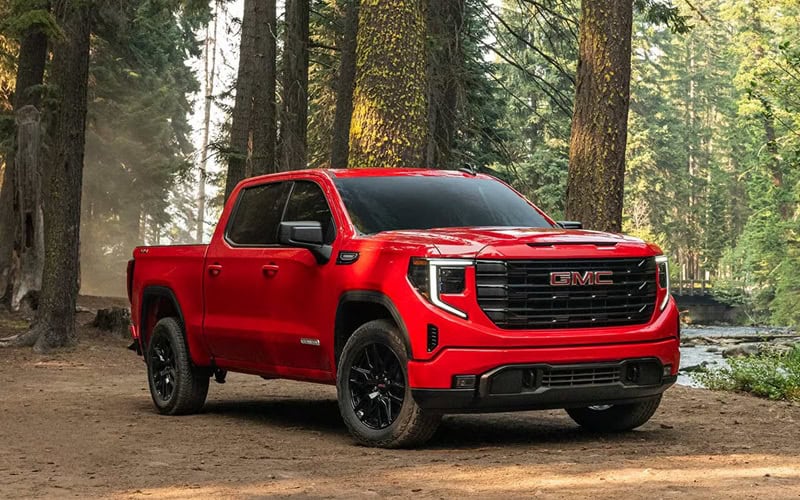
The Sierra 1500 offers a range of towing technologies and integrated hardware that help drivers tow trailers and recreational vehicles (RVs). Buyers can configure the truck for different towing needs based on the trim level, cab configuration, cargo box length, drivetrain, engine, and factory towing package. These configurations support a range of applications, from lightweight utility trailers to larger travel trailers.
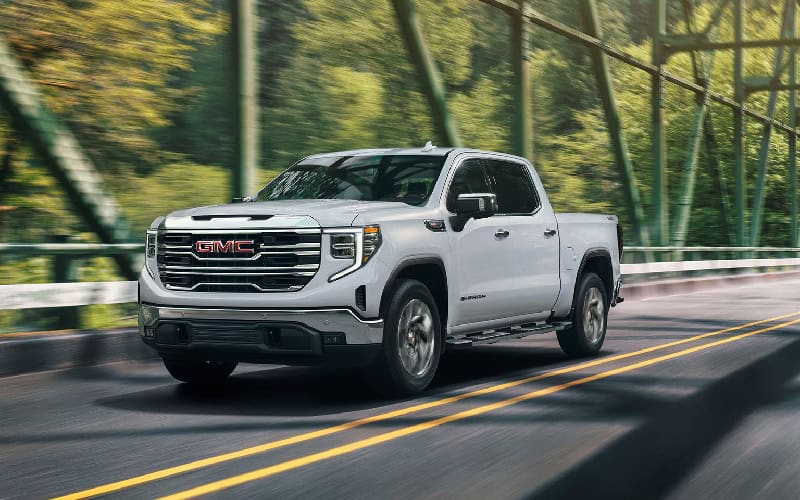
Rather than relying solely on engine performance, the Sierra 1500 combines mechanical towing equipment with electronic driver assistance systems that help maintain stability, monitor trailer operation, and simplify hitching procedures. Features such as integrated trailer brake control, trailer lighting diagnostics, trailer sway control, hitch guidance cameras, and multiple trailer profiles contribute to safer and more consistent towing performance.
For owners planning to tow an RV in Canada, understanding how these systems work together is essential for selecting the proper equipment, maintaining vehicle stability, and operating within the truck’s specified payload and towing limits.
Technical Specifications
Integrated Towing Hardware
The Sierra 1500 is engineered with a reinforced frame structure that supports towing loads while maintaining chassis rigidity.
Factory-equipped towing hardware may include:
- receiver hitch
- trailer hitch platform
- trailer wiring connectors
- tow hooks
- heavy-duty cooling components
- transmission cooling systems
- integrated trailer brake controller
The availability of individual components depends on vehicle configuration and installed towing packages. The receiver hitch is mounted directly to the truck frame to distribute trailer loads effectively during acceleration, braking, and cornering.
Hitch Receiver Classes
The Sierra 1500 can be equipped with receiver hitches designed to accommodate different towing requirements. Receiver size and weight ratings determine compatibility with various hitch accessories.
Selecting the appropriate receiver class depends on factors including:
- trailer weight
- tongue weight
- hitch design
- weight-distribution equipment
- intended towing application
For larger travel trailers or RVs, weight-distribution hitches may be recommended to improve load balance between the front and rear axles while reducing suspension squat. Owners should always verify that the hitch equipment matches the vehicle’s certified towing specifications.
Trailer Electrical Connections
The Sierra 1500 includes factory trailer electrical connectors designed to support communication between the truck and trailer.
Typical trailer electrical functions include:
- brake lamps
- tail lamps
- turn signals
- reverse lamps
- electric trailer brakes
- battery charging circuits
- auxiliary power
The electrical connectors provide reliable communication while reducing the need for aftermarket wiring modifications. Many configurations also support trailer lighting diagnostics through the vehicle’s electronic systems, allowing drivers to identify certain lighting faults before beginning a trip.
Integrated Trailer Brake Controller
The available integrated trailer brake controller is an important component for towing heavier RVs. Unlike aftermarket controllers mounted beneath the dashboard, the factory system communicates directly with the truck’s braking and stability control systems.
The controller allows the driver to:
- adjust trailer braking force
- synchronize trailer braking with vehicle braking
- improve braking stability
- reduce trailer pushing during deceleration
Brake gain can be adjusted to match trailer weight and road conditions. Proper adjustment helps achieve smooth, predictable braking while minimizing unnecessary trailer movement.
Trailer Sway Control
Trailer sway can develop because of crosswinds, uneven pavement, steering corrections, or improper trailer loading. The Sierra 1500 incorporates trailer sway control as part of its electronic stability control system.
When sway is detected, the system can automatically intervene by:
- reducing engine torque
- applying individual wheel brakes
- helping stabilize vehicle direction
These corrections occur automatically and are intended to reduce oscillation before sway becomes more severe. Trailer sway control complements proper trailer loading but does not replace correct weight distribution or safe driving practices.
Payload Versus Towing Capacity
One of the most important considerations when towing an RV is understanding the difference between payload capacity and towing capacity. Payload refers to the maximum allowable combined weight carried by the truck itself.
Payload includes:
- passengers
- cargo
- trailer tongue weight
- accessories
- aftermarket equipment
Towing capacity refers to the maximum allowable trailer weight the vehicle is designed to pull. Because trailer tongue weight contributes directly to payload, a truck may reach its payload limit before reaching its maximum towing capacity. For this reason, owners should evaluate both specifications together when selecting an RV or travel trailer.
Towing Technologies
The Sierra 1500 incorporates numerous technologies specifically designed to improve towing confidence.
Available systems may include:
- Hitch View camera
- Hitch Guidance
- trailer profile management
- trailer lighting diagnostics
- trailer mileage tracking
- trailer theft alert compatibility
- rear vision assistance while hitching
Trailer profile management allows drivers to store trailer-specific settings for multiple trailers. These profiles may include trailer dimensions and system preferences, allowing compatible driver assistance technologies to operate more accurately.
Driver Experience
Hitching Assistance
Connecting a trailer often requires careful vehicle positioning. The Sierra 1500 available camera systems help drivers align the hitch receiver with the trailer coupler more precisely. This reduces repeated repositioning and simplifies trailer connection. Some camera views provide close-up images of the hitch area, improving visibility that would otherwise be limited from the driver’s seat.
Trailer Monitoring
During travel, towing-related information can be displayed through the vehicle’s information systems.
Depending on equipment, drivers may monitor:
- trailer connection status
- brake controller settings
- trailer lighting operation
- selected trailer profile
- towing system alerts
Centralized information reduces the need to inspect multiple separate devices during operation.
Stability During Highway Driving
Long-distance Canadian highway travel often involves changing weather and road conditions. Electronic stability systems work continuously with the trailer brake controller and trailer sway control to help maintain directional stability. Although these systems provide additional assistance, drivers should continue using appropriate following distances and moderate steering inputs while towing.
Payload Management
Loading an RV trip requires balancing passenger weight, luggage, camping equipment, and trailer tongue weight.
Exceeding payload limits may affect:
- braking performance
- steering response
- suspension operation
- tire loading
- overall vehicle stability
Proper cargo distribution inside both the truck and trailer helps maintain predictable handling characteristics.
Canadian Driving Considerations
Canadian drivers frequently encounter changing weather conditions throughout the towing season.
- Rain, strong crosswinds, gravel roads, and varying pavement quality may influence towing performance.
- Cold temperatures can also affect tire pressures on both the truck and trailer.
- Before departure, operators should verify tire pressures after the vehicle has been parked long enough for the tires to cool.
- Reduced daylight during some seasons also increases the importance of confirming that all trailer lighting functions correctly before entering public roads.
- Mountain regions require additional attention to braking performance, gear selection, and downhill speed management.
- Maintaining appropriate following distances becomes especially important when towing heavier RVs on wet or snow-covered roads.
Service Requirements
Routine inspection plays an important role in maintaining safe towing performance. Before each towing trip, several components should be inspected carefully.
Recommended pre-trip inspection items include:
- hitch receiver condition
- coupler engagement
- safety chains
- breakaway cable
- trailer wiring connections
- electrical connector security
- trailer brake operation
- tire pressures
- wheel lug fasteners
- trailer lighting
- cargo security
- mirror adjustment
Drivers should also confirm that trailer loads remain properly balanced.
Excessive rear loading may reduce tongue weight and increase the likelihood of trailer sway.
Periodic maintenance of towing equipment is equally important.
Receiver hitches should be inspected for corrosion, excessive wear, or mechanical damage.
Electrical connectors should remain clean and protected from moisture to maintain reliable communication between the truck and trailer.
The integrated trailer brake controller should be tested periodically to verify proper operation before longer towing trips.
Service inspections may also include evaluation of suspension components, braking systems, cooling systems, and drivetrain components that experience additional loads while towing.
Technicians at Addison on Eglington may recommend additional inspections when the vehicle is used regularly for RV towing or extended-distance travel. For owners who tow frequently throughout the Canadian camping season, Addison on Eglington can also inspect towing equipment during scheduled maintenance visits to help identify wear before it affects trailer operation.
2026 Sierra 1500 FAQ
1. Does the 2026 Sierra 1500 include an integrated trailer brake controller?
Many configurations offer an integrated trailer brake controller that communicates directly with the vehicle’s braking systems, allowing adjustable trailer braking for improved control.
2. What is the difference between payload and towing capacity?
Payload is the maximum weight carried by the truck itself, including passengers, cargo, and trailer tongue weight. Towing capacity refers to the maximum trailer weight the vehicle is designed to pull.
3. How does trailer sway control work on the 2026 Sierra 1500?
Trailer sway control uses the vehicle’s electronic stability system to detect trailer movement and can automatically reduce engine torque or apply individual wheel brakes to help stabilize the combination.
4. Why are trailer electrical connections important?
The electrical connectors allow communication between the truck and trailer for lighting, electric trailer brakes, and auxiliary electrical functions while enabling system diagnostics on compatible equipment.
5. What should be checked before towing an RV?
Before each trip, drivers should inspect the hitch connection, safety chains, breakaway cable, wiring connectors, trailer brake operation, tire pressures, lighting, cargo security, and overall trailer condition to help ensure safe operation.
Disclaimer: Content contained in this post is for informational purposes only and may include features and options from US or internacional models. Please contact the dealership for more information or to confirm vehicle, feature availability.